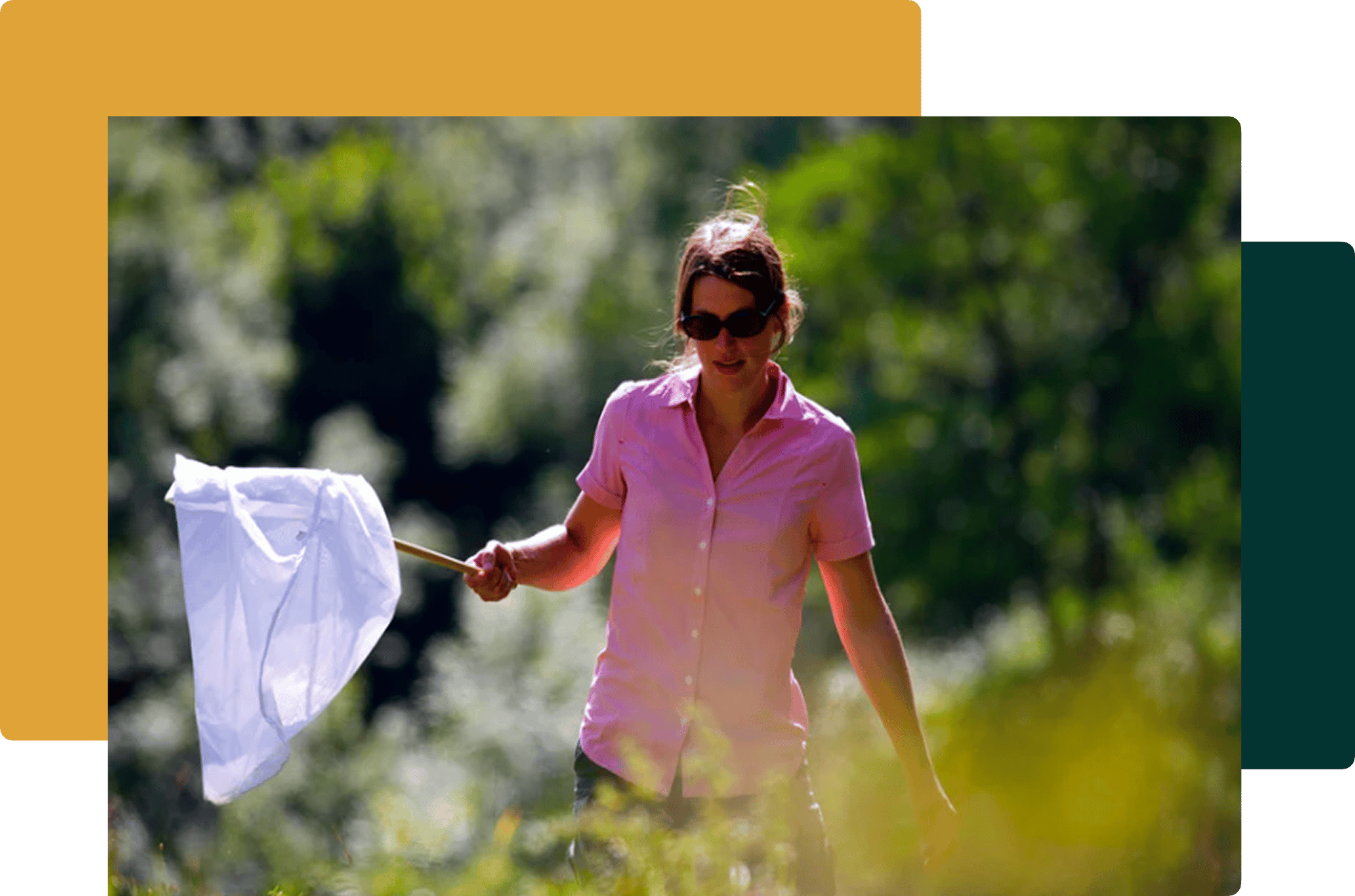
Complete your classes from anywhere through our interactive study guides, designed to fit around work, school, or other commitments.
Small classes taught by professionals
Courses are limited to small class sizes so you can learn directly from instructors with real-world experience in wildlife rehabilitation, education, and conservation.
Field experience with real animals
Apply what you learn by completing a hands-on field experience at an approved wildlife rehabilitation facility or organization in your area.
Get the Wildlife Rehabilitation Program Details
Tell us where to send your program brochure, and we’ll email you the full details including courses, career paths, and how to get started.
Is This Program Right for You?
This Program May Be a Good Fit If You:
Want to work with injured, orphaned, or displaced wildlife
Are passionate about animal welfare and conservation
Are considering a career in wildlife rehabilitation or education
Want structured training from professionals working in the field
Working in wildlife rehabilitation requires a unique combination of medical knowledge, animal care skills, and an understanding of the environment. ABI’s Wildlife Rehabilitation Program is designed to help students build the practical and foundational skills used by professionals caring for and releasing wild animals.
Wildlife Care & Rehabilitation Techniques
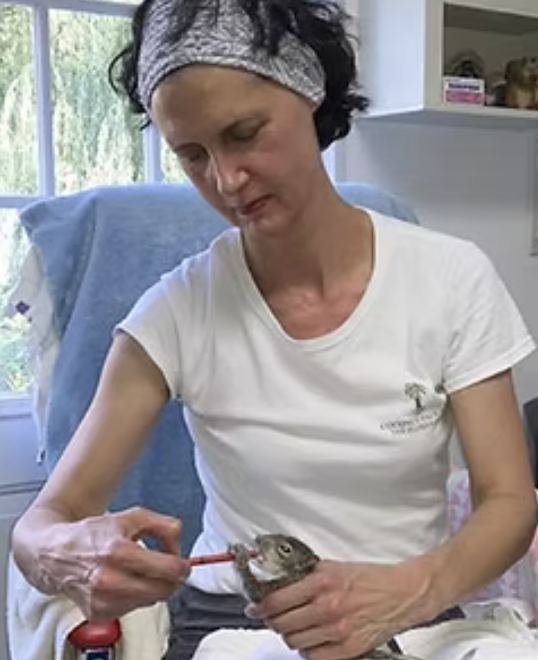
Learn how to safely care for injured and orphaned wildlife. Students develop skills in intake procedures, handling, stabilization, and preparing animals for recovery and release.
Animal Health, Nutrition & Disease
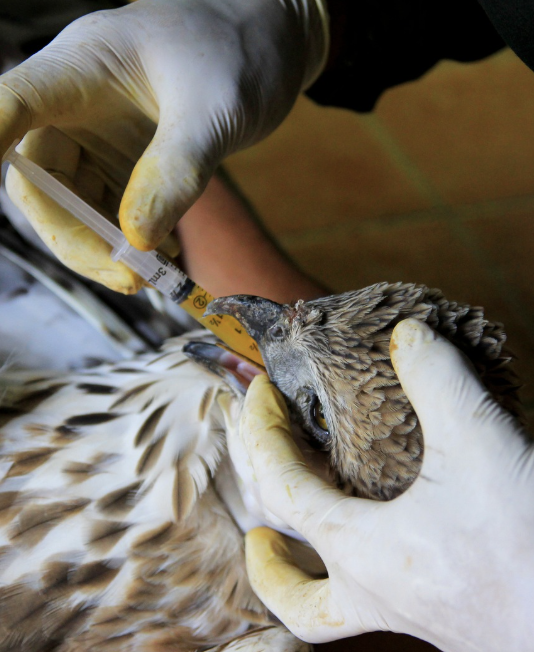
Understand how to assess health conditions, create proper diets, and minimize the risk of disease transmission. Students learn to identify and address common injuries such as wounds, burns, and fractures.
Wildlife Management & Human Interaction
Explore how wildlife professionals manage human-wildlife conflicts and interact with the public. Students learn how to respond to real-world situations involving wildlife and community education.
Preparation for Release & Habitat Readiness
Learn how to prepare animals for successful release back into the wild. Students study conditioning techniques, habitat considerations, and species-specific needs for survival.
In addition to online coursework, students complete a hands-on field experience with a wildlife rehabilitation organization, sanctuary, or approved facility of their choice. This experience allows students to apply what they’ve learned while gaining valuable real-world exposure to wildlife care and rehabilitation.
Learn From Experienced Professionals
All courses are taught by instructors with professional experience in fields such as:
Wildlife rehabilitation
Animal care and husbandry
Conservation and education
Animal behavior and welfare
Their real-world insights help students understand both the science behind rehabilitation and the practical realities of working with wildlife.
Flexible Online Learning Designed for Wildlife Careers
Structured 10-week courses
Fully online classroom environment
Small class sizes (maximum of 12 students)
Field experience completed with local organizations
Students from across the U.S. and internationally complete the program while balancing work and personal commitments.
Career Opportunities in Wildlife Rehabilitation
Many people who are passionate about animals want to make a direct impact by helping wildlife recover and return to the wild. The Wildlife Rehabilitation Program is designed to help students build the knowledge and foundational experience needed to pursue roles in rehabilitation, conservation, and education.
Wildlife Rehabilitator
Wildlife rehabilitators care for injured, orphaned, or displaced animals with the goal of releasing them back into their natural habitat. Responsibilities include feeding, medical care, habitat maintenance, and monitoring recovery.
Wildlife Educator
Wildlife educators develop and deliver programs that teach the public about conservation, animal behavior, and environmental stewardship. These roles often involve public speaking and working with live animals or educational materials.
Animal Care Specialist
Animal Care Specialists support the daily care and wellbeing of wildlife in rehabilitation centers, sanctuaries, and conservation facilities. Responsibilities include feeding, cleaning habitats, and assisting with treatment and enrichment.
Environmental Education Programs
Professionals in environmental education programs design outreach initiatives that promote conservation awareness and responsible interactions with wildlife.
Building Experience for Competitive Careers
Careers in wildlife rehabilitation are meaningful but can be competitive. Many roles require both education and hands-on experience working with animals.
ABI’s program is designed to help students begin building that foundation by combining structured academic training with real-world field experience.
After retiring from a 27-year career in education, Jean found her passion in wildlife rehabilitation through volunteering with local organizations. Inspired by hands-on work with injured wildlife, she expanded her role into bird care, conservation outreach, and mentoring new volunteers.
Through ABI’s Wildlife Rehabilitation program, Jean gained a strong foundation in medical care, conservation, and education, helping her advance into outreach programming and conservation projects focused on protecting endangered species like the Eastern box turtle.
Take the First Step Toward a Career Helping Wildlife
Tell us about your goals and we’ll help you determine if the Wildlife Rehabilitation Program is the right fit for you.
.png?width=512&height=274&name=Header%20Image%20(4).png "Header Image (4)")

.png?width=512&height=447&name=Zookeeping%20Landing%20Page%20Image%204%20(1).png "Zookeeping Landing Page Image 4 (1)")
.png?width=2000&height=1385&name=WR%202%20(2).png "WR 2")

.png?width=2000&height=1323&name=WR4%20(2).png "WR4 (2)")